DR3 Monoclonal Antibody (JD3), Biotin, eBioscience
PRODUCT DETAILS
Host: Mouse
Isotype: IgG1, kappa
Clonality: Monoclonal
Clone: JD3
Format: Biotin
Reactivity: Hu
Application: Flow Cytometry
Tested Dilution: Assay-Dependent
Concentration: 0.5 mg/mL
Storage: 4°C, store in dark, DO NOT FREEZE!
Formulation: PBS with 0.09% sodium azide; pH 7.2
Purification: Affinity chromatography
Data Sheet: TDS
Specific Information
Description: The JD3 monoclonal antibody reacts with human DR3, also known as Apo-3, WSL-1, TRAMP, LARD, DDR3, and TR3. DR3, a novel death receptor is expressed at low level by monocytes and granulocytes. Interaction of DR3 with its ligand activates NF-kappa B pathway and induces apoptosis. Initially, DR3 was thought to be a receptor for TWEAK, but further studies have shown that TWEAK could induce apoptosis via receptors distinct from DR3. JD3 has been reported for use in flow cytometric analysis.
Applications Reported: The JD3 antibody has been reported for use in flow cytometric analysis.
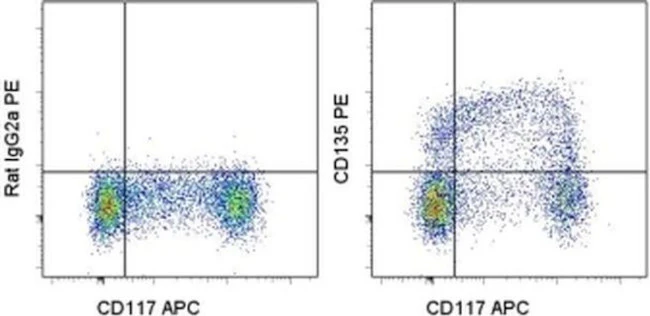
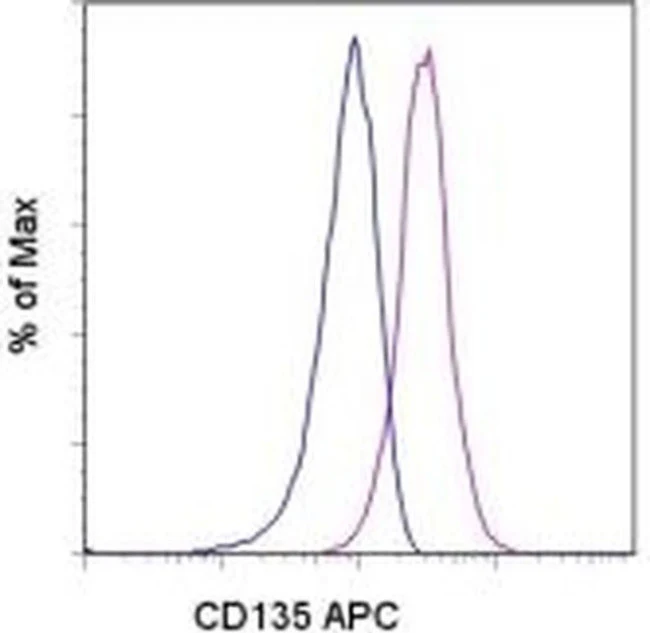
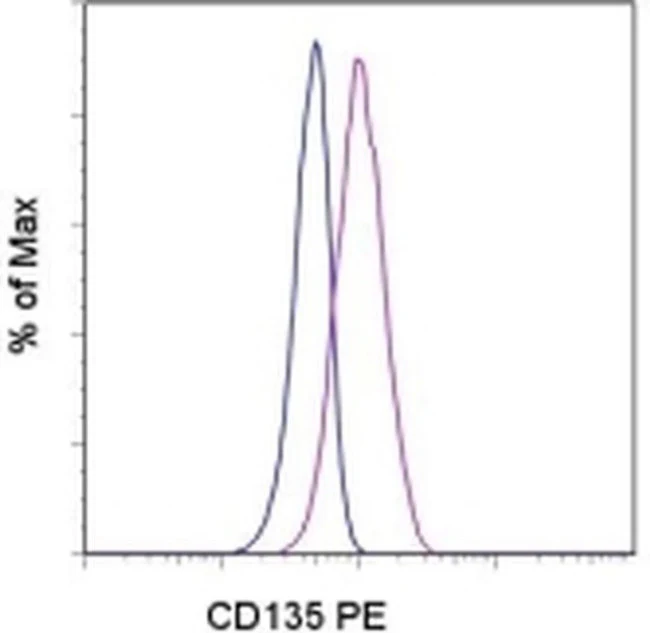
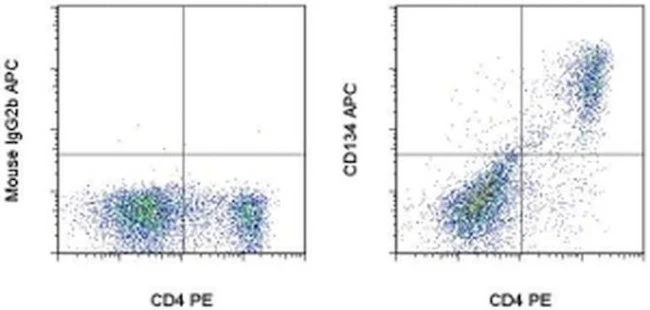
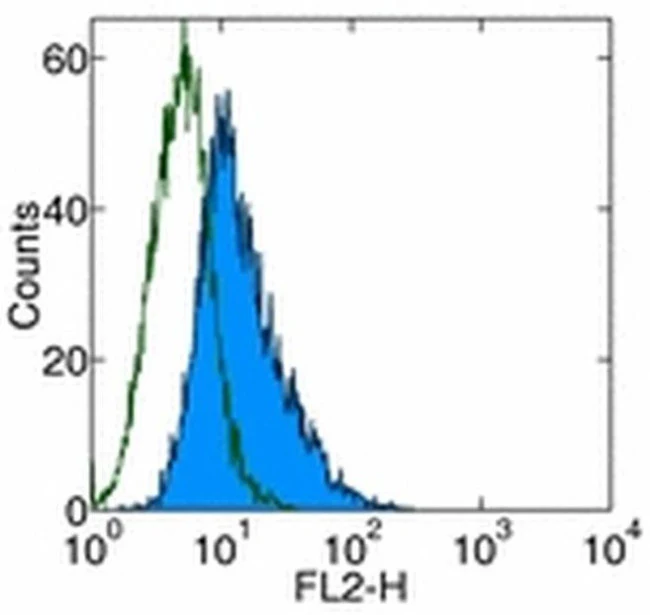
Applications Tested: The JD3 antibody has been tested by flow cytometric analysis of human peripheral leukocytes and human DR3-transfected cells. It is recommended that the reagent be carefully titrated for optimal performance in the assay of interest.
Filtration: 0.2 µm post-manufacturing filtered.
For Research Use Only. Not for use in diagnostic procedures. Not for resale without express authorization.
Original: $356.00
-70%$356.00
$106.80DR3 Monoclonal Antibody (JD3), Biotin, eBioscience
PRODUCT DETAILS
Host: Mouse
Isotype: IgG1, kappa
Clonality: Monoclonal
Clone: JD3
Format: Biotin
Reactivity: Hu
Application: Flow Cytometry
Tested Dilution: Assay-Dependent
Concentration: 0.5 mg/mL
Storage: 4°C, store in dark, DO NOT FREEZE!
Formulation: PBS with 0.09% sodium azide; pH 7.2
Purification: Affinity chromatography
Data Sheet: TDS
Specific Information
Description: The JD3 monoclonal antibody reacts with human DR3, also known as Apo-3, WSL-1, TRAMP, LARD, DDR3, and TR3. DR3, a novel death receptor is expressed at low level by monocytes and granulocytes. Interaction of DR3 with its ligand activates NF-kappa B pathway and induces apoptosis. Initially, DR3 was thought to be a receptor for TWEAK, but further studies have shown that TWEAK could induce apoptosis via receptors distinct from DR3. JD3 has been reported for use in flow cytometric analysis.
Applications Reported: The JD3 antibody has been reported for use in flow cytometric analysis.
Applications Tested: The JD3 antibody has been tested by flow cytometric analysis of human peripheral leukocytes and human DR3-transfected cells. It is recommended that the reagent be carefully titrated for optimal performance in the assay of interest.
Filtration: 0.2 µm post-manufacturing filtered.
For Research Use Only. Not for use in diagnostic procedures. Not for resale without express authorization.
Product Information
Product Information
Shipping & Returns
Shipping & Returns
Description
PRODUCT DETAILS
Host: Mouse
Isotype: IgG1, kappa
Clonality: Monoclonal
Clone: JD3
Format: Biotin
Reactivity: Hu
Application: Flow Cytometry
Tested Dilution: Assay-Dependent
Concentration: 0.5 mg/mL
Storage: 4°C, store in dark, DO NOT FREEZE!
Formulation: PBS with 0.09% sodium azide; pH 7.2
Purification: Affinity chromatography
Data Sheet: TDS
Specific Information
Description: The JD3 monoclonal antibody reacts with human DR3, also known as Apo-3, WSL-1, TRAMP, LARD, DDR3, and TR3. DR3, a novel death receptor is expressed at low level by monocytes and granulocytes. Interaction of DR3 with its ligand activates NF-kappa B pathway and induces apoptosis. Initially, DR3 was thought to be a receptor for TWEAK, but further studies have shown that TWEAK could induce apoptosis via receptors distinct from DR3. JD3 has been reported for use in flow cytometric analysis.
Applications Reported: The JD3 antibody has been reported for use in flow cytometric analysis.
Applications Tested: The JD3 antibody has been tested by flow cytometric analysis of human peripheral leukocytes and human DR3-transfected cells. It is recommended that the reagent be carefully titrated for optimal performance in the assay of interest.
Filtration: 0.2 µm post-manufacturing filtered.
For Research Use Only. Not for use in diagnostic procedures. Not for resale without express authorization.