CD270 (HVEM) Monoclonal Antibody (LH1), eBioscience
PRODUCT DETAILS
Host: Armenian Hamster
Isotype: IgG
Clonality: Monoclonal
Clone: LH1
Reactivity: Ms
Application: Flow Cytometry
Tested Dilution: 0.25 µg/test
Concentration: 0.5 mg/mL
Storage: 4°C
Formulation: PBS with 0.09% sodium azide; pH 7.2
Purification: Affinity chromatography
Data Sheet: TDS
Specific Information
Description: The LH1 monoclonal antibody reacts with mouse Herpes Virus Entry Mediator (HVEM, TR2), a member of the TNF-receptor superfamily. HVEM is found on most cell types, including T cells, B cells, monocytes, neutrophils and dendritic cells. This receptor was identified as a cellular mediator of herpes simplex virus (HSV) entry. Binding of HSV viral envelope glycoprotein D (gD) to this receptor protein has been shown to be part of the viral entry mechanism. The cytoplasmic region of HVEM was found to bind to several TRAF family members, which may mediate the signal transduction pathways that activate the immune response. HVEM has also been demonstrated to be a unique ligand for BTLA (B and T lymphocyte attenuator). The conservation of the BTLA-HVEM interaction between mouse and human suggests that this system is an important pathway regulating lymphocyte activation and/or homeostasis in the immune response. The LH1 antibody has been reported as a blocking antibody, interfering with the HVEM-LIGHT interaction but not the HVEM-BTLA interaction.
Applications Reported: This LH1 antibody has been reported for use in flow cytometric analysis and functional assays.
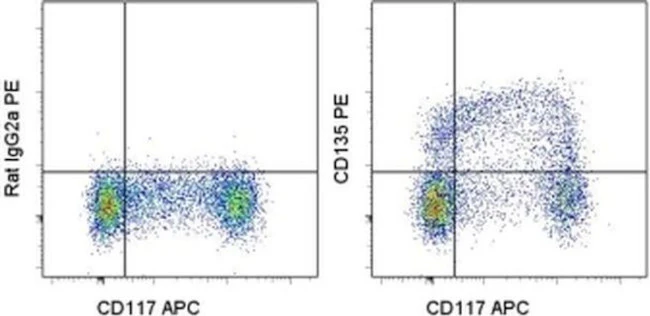
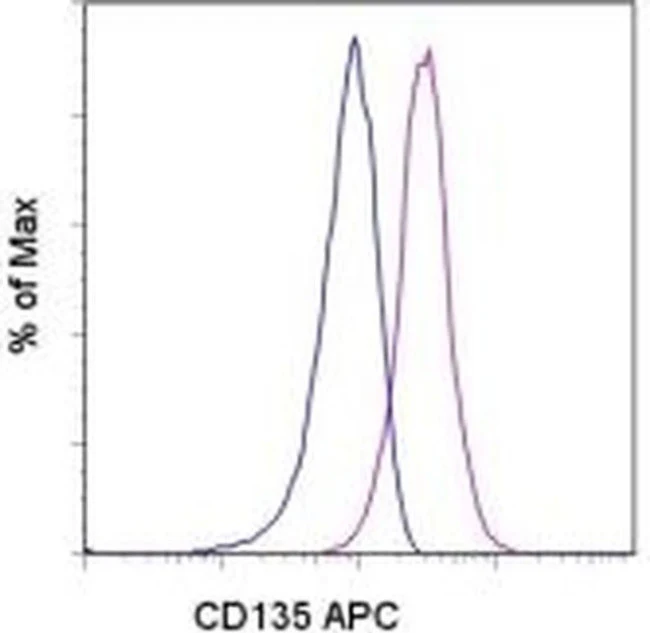
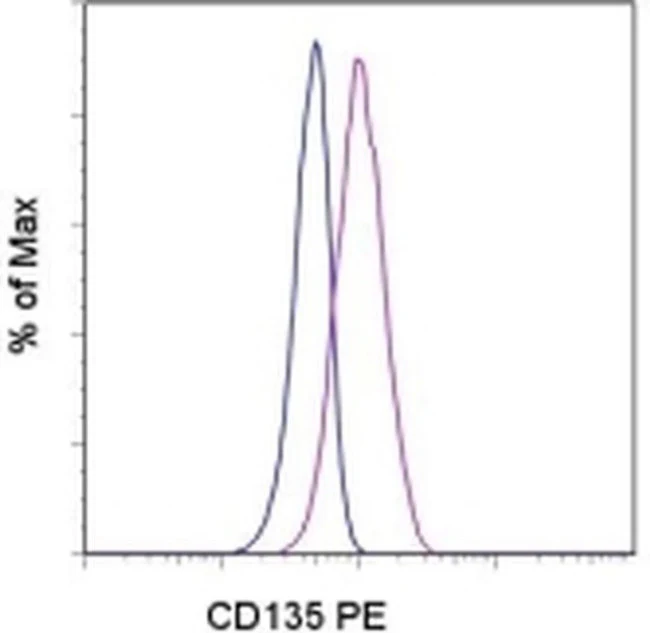
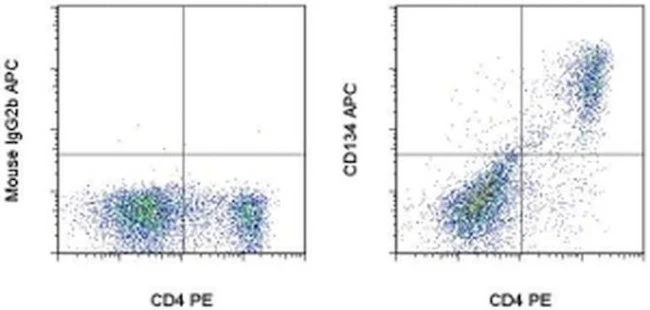
Applications Tested: This LH1 antibody has been tested by flow cytometric analysis of mouse splenocytes. This can be used at less than or equal to 0.25 µg per test. A test is defined as the amount (µg) of antibody that will stain a cell sample in a final volume of 100 µL. Cell number should be determined empirically but can range from 10^5 to 10^8 cells/test. It is recommended that the antibody be carefully titrated for optimal performance in the assay of interest.
Purity: Greater than 90%, as determined by SDS-PAGE.
Aggregation: Less than 10%, as determined by HPLC.
Filtration: 0.2 µm post-manufacturing filtered.
For Research Use Only. Not for use in diagnostic procedures. Not for resale without express authorization.
Original: $349.00
-70%$349.00
$104.70CD270 (HVEM) Monoclonal Antibody (LH1), eBioscience
PRODUCT DETAILS
Host: Armenian Hamster
Isotype: IgG
Clonality: Monoclonal
Clone: LH1
Reactivity: Ms
Application: Flow Cytometry
Tested Dilution: 0.25 µg/test
Concentration: 0.5 mg/mL
Storage: 4°C
Formulation: PBS with 0.09% sodium azide; pH 7.2
Purification: Affinity chromatography
Data Sheet: TDS
Specific Information
Description: The LH1 monoclonal antibody reacts with mouse Herpes Virus Entry Mediator (HVEM, TR2), a member of the TNF-receptor superfamily. HVEM is found on most cell types, including T cells, B cells, monocytes, neutrophils and dendritic cells. This receptor was identified as a cellular mediator of herpes simplex virus (HSV) entry. Binding of HSV viral envelope glycoprotein D (gD) to this receptor protein has been shown to be part of the viral entry mechanism. The cytoplasmic region of HVEM was found to bind to several TRAF family members, which may mediate the signal transduction pathways that activate the immune response. HVEM has also been demonstrated to be a unique ligand for BTLA (B and T lymphocyte attenuator). The conservation of the BTLA-HVEM interaction between mouse and human suggests that this system is an important pathway regulating lymphocyte activation and/or homeostasis in the immune response. The LH1 antibody has been reported as a blocking antibody, interfering with the HVEM-LIGHT interaction but not the HVEM-BTLA interaction.
Applications Reported: This LH1 antibody has been reported for use in flow cytometric analysis and functional assays.
Applications Tested: This LH1 antibody has been tested by flow cytometric analysis of mouse splenocytes. This can be used at less than or equal to 0.25 µg per test. A test is defined as the amount (µg) of antibody that will stain a cell sample in a final volume of 100 µL. Cell number should be determined empirically but can range from 10^5 to 10^8 cells/test. It is recommended that the antibody be carefully titrated for optimal performance in the assay of interest.
Purity: Greater than 90%, as determined by SDS-PAGE.
Aggregation: Less than 10%, as determined by HPLC.
Filtration: 0.2 µm post-manufacturing filtered.
For Research Use Only. Not for use in diagnostic procedures. Not for resale without express authorization.
Product Information
Product Information
Shipping & Returns
Shipping & Returns
Description
PRODUCT DETAILS
Host: Armenian Hamster
Isotype: IgG
Clonality: Monoclonal
Clone: LH1
Reactivity: Ms
Application: Flow Cytometry
Tested Dilution: 0.25 µg/test
Concentration: 0.5 mg/mL
Storage: 4°C
Formulation: PBS with 0.09% sodium azide; pH 7.2
Purification: Affinity chromatography
Data Sheet: TDS
Specific Information
Description: The LH1 monoclonal antibody reacts with mouse Herpes Virus Entry Mediator (HVEM, TR2), a member of the TNF-receptor superfamily. HVEM is found on most cell types, including T cells, B cells, monocytes, neutrophils and dendritic cells. This receptor was identified as a cellular mediator of herpes simplex virus (HSV) entry. Binding of HSV viral envelope glycoprotein D (gD) to this receptor protein has been shown to be part of the viral entry mechanism. The cytoplasmic region of HVEM was found to bind to several TRAF family members, which may mediate the signal transduction pathways that activate the immune response. HVEM has also been demonstrated to be a unique ligand for BTLA (B and T lymphocyte attenuator). The conservation of the BTLA-HVEM interaction between mouse and human suggests that this system is an important pathway regulating lymphocyte activation and/or homeostasis in the immune response. The LH1 antibody has been reported as a blocking antibody, interfering with the HVEM-LIGHT interaction but not the HVEM-BTLA interaction.
Applications Reported: This LH1 antibody has been reported for use in flow cytometric analysis and functional assays.
Applications Tested: This LH1 antibody has been tested by flow cytometric analysis of mouse splenocytes. This can be used at less than or equal to 0.25 µg per test. A test is defined as the amount (µg) of antibody that will stain a cell sample in a final volume of 100 µL. Cell number should be determined empirically but can range from 10^5 to 10^8 cells/test. It is recommended that the antibody be carefully titrated for optimal performance in the assay of interest.
Purity: Greater than 90%, as determined by SDS-PAGE.
Aggregation: Less than 10%, as determined by HPLC.
Filtration: 0.2 µm post-manufacturing filtered.
For Research Use Only. Not for use in diagnostic procedures. Not for resale without express authorization.